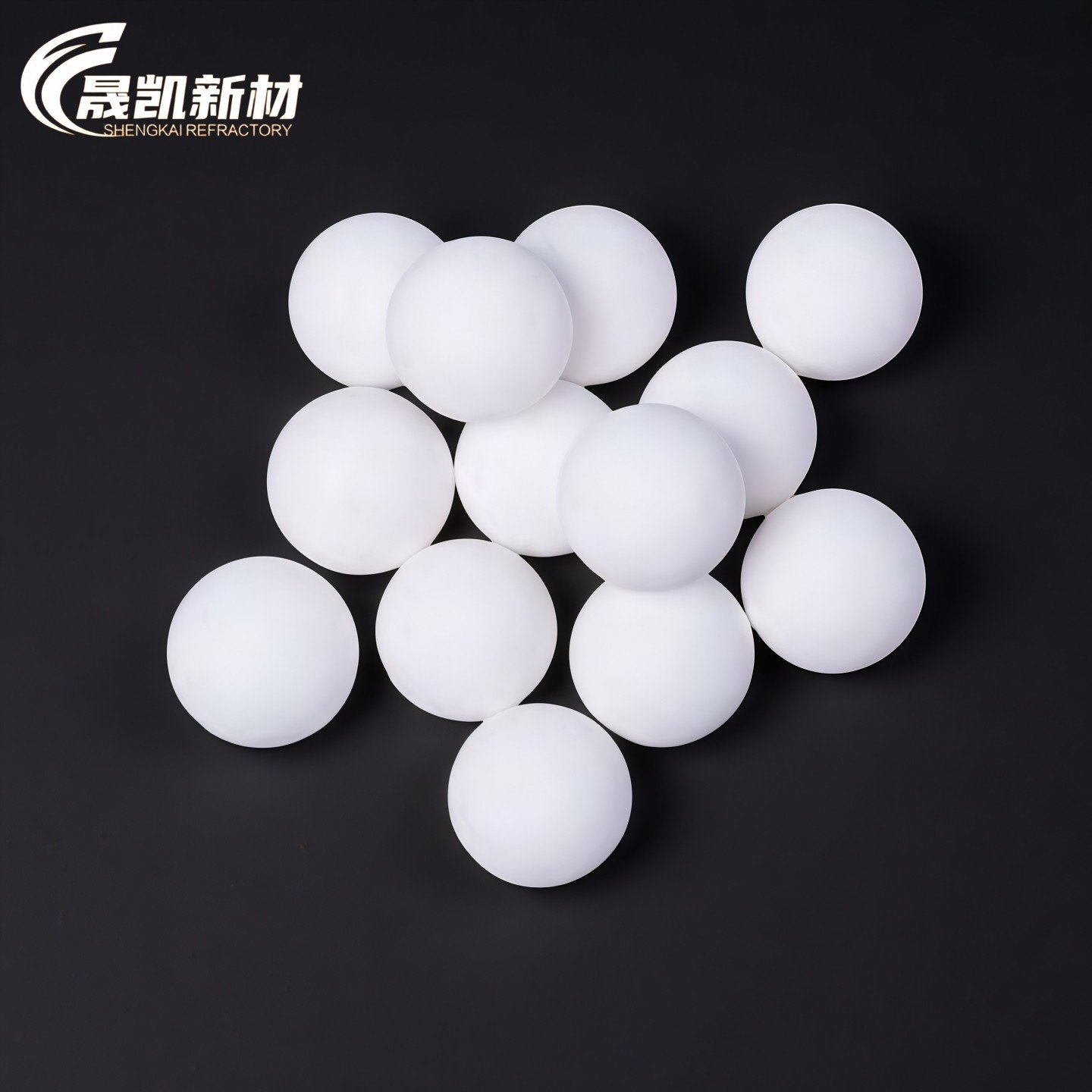
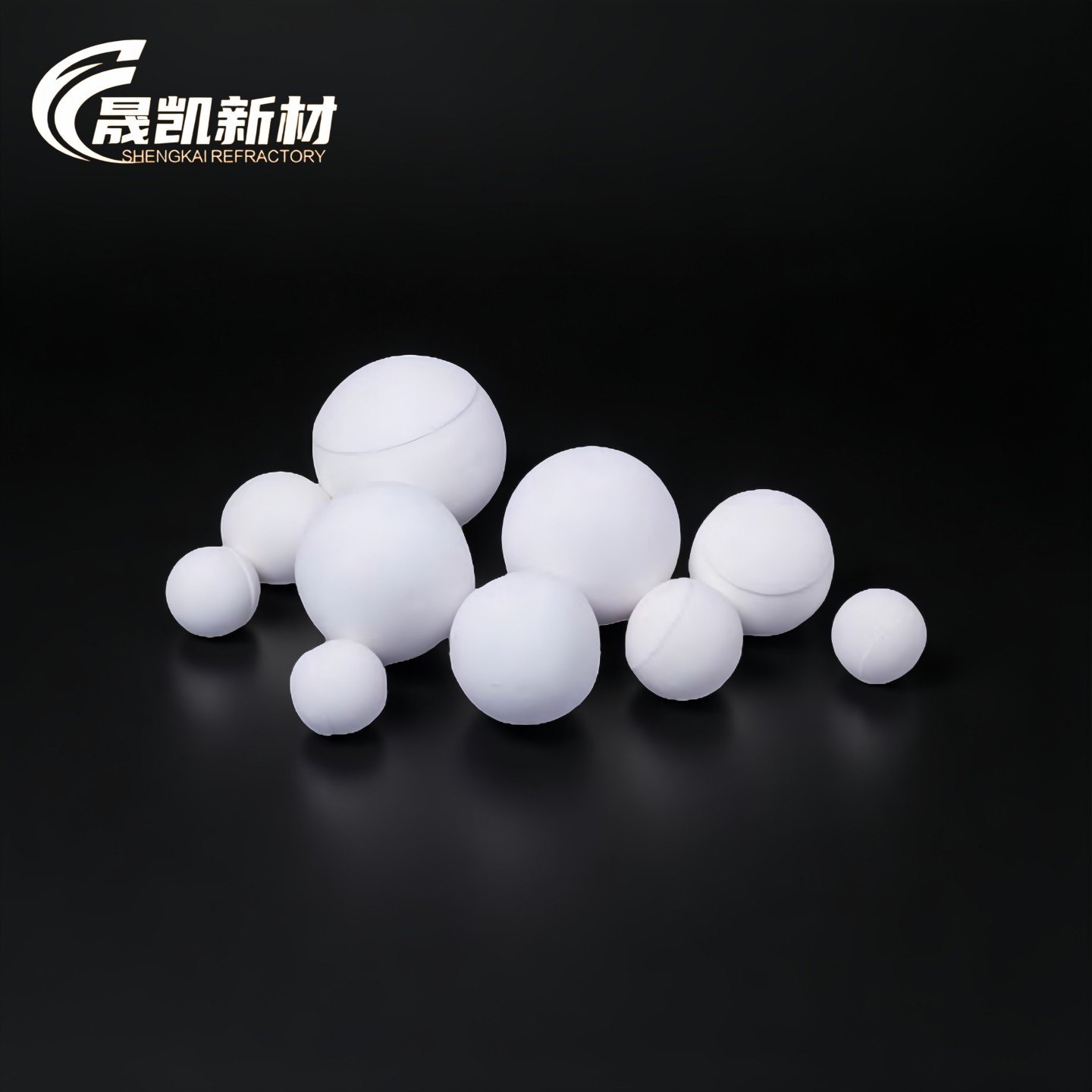
Alumina grinding ball is a grinding media used in ball mills, pot mills, vibrating mills, and other fine grinding plants.
Formed by isostatic pressing and advanced rolling technology, it has high bulk density, high hardness, high purity, and a low wear rate.
It is mainly used in ceramic, paint, color, cement, coating, refractory material, pharmaceutical, chemical, mining, and other industries.
High-purity alumina grinding balls are core high-efficiency grinding and dispersing media for industrial fine processing. Relying on their superior physical and chemical properties including ultra-low abrasion, high hardness, excellent chemical stability and zero pollution, they have become essential consumables for precision milling and ultra-fine powder processing in various industries. They are widely used in ceramics, chemical industry, coatings and inks, mineral processing, electronic new materials, pharmaceutical and food processing, new energy and many other industrial fields, and can adapt to long-term continuous high-intensity working conditions of all types of ball mill equipment.
The ceramic industry is the largest application scenario for alumina grinding balls. They are mainly used for fine grinding and refining of ceramic raw materials such as kaolin, feldspar, quartz, ceramic clay and glaze materials. Different from traditional stone grinding media, alumina grinding balls will not produce impurity pollution during the grinding process, which effectively ensures the whiteness and purity of ceramic raw materials. Meanwhile, their high grinding density greatly improves the fineness and uniformity of ceramic powder, helping manufacturers produce high-quality daily ceramics, architectural ceramics, industrial ceramics and ceramic sanitary ware, and significantly reducing the defective rate of finished products.
In the coatings, inks and pigments industry, alumina grinding balls are the preferred media for ultra-fine dispersion and grinding of paint raw materials, organic pigments, inorganic pigments and printing inks. The balls have high roundness and uniform particle size, which can fully disperse pigment particles, avoid powder agglomeration, and make the color distribution of coatings and inks more uniform. Their excellent corrosion resistance enables them to work stably in acidic and alkaline coating systems for a long time, without chemical reaction with coating components, ensuring the gloss, weather resistance and stability of finished coating products, and meeting the production standards of high-grade industrial coatings, automotive coatings and water-based environmental protection inks.
For the mineral processing and metallurgical industry, these grinding balls are applied for fine crushing and ultra-fine grinding of various non-metallic minerals and rare earth minerals, including calcium carbonate, talc, mica, barite, fluorite and quartz sand. In the deep processing of mineral powder, high-hardness alumina grinding balls can efficiently grind coarse mineral materials into ultra-fine powder, greatly improving mineral utilization rate. Their ultra-low wear loss avoids mixing metal impurities into mineral powder, which effectively guarantees the quality of mineral raw materials for subsequent metallurgical processing and industrial production.
In the electronic materials and new energy industry, alumina grinding balls undertake the precision grinding work of lithium battery raw materials, ceramic dielectric materials, magnetic materials, graphite powder and electronic ceramic powder. The high-purity and pollution-free characteristics of the balls completely meet the strict purity requirements of electronic and new energy materials, avoiding performance degradation of electronic components and battery cells caused by impurity doping. They are suitable for the ultra-fine processing of various new energy functional materials, providing reliable raw material guarantee for the production of high-precision electronic devices and new energy batteries.
In addition, alumina grinding balls are also widely used in pharmaceutical and food processing industries for the fine grinding and mixing of pharmaceutical raw materials, food additives and nutritional powder. With stable chemical properties, non-toxic and harmless features, they comply with industrial safety production standards. Moreover, they are also applicable to the fine processing of chemical raw materials such as chemical fertilizers, rubber fillers and plastic additives, realizing efficient, precise and pollution-free material processing, and covering most fine grinding scenarios of modern industrial production.
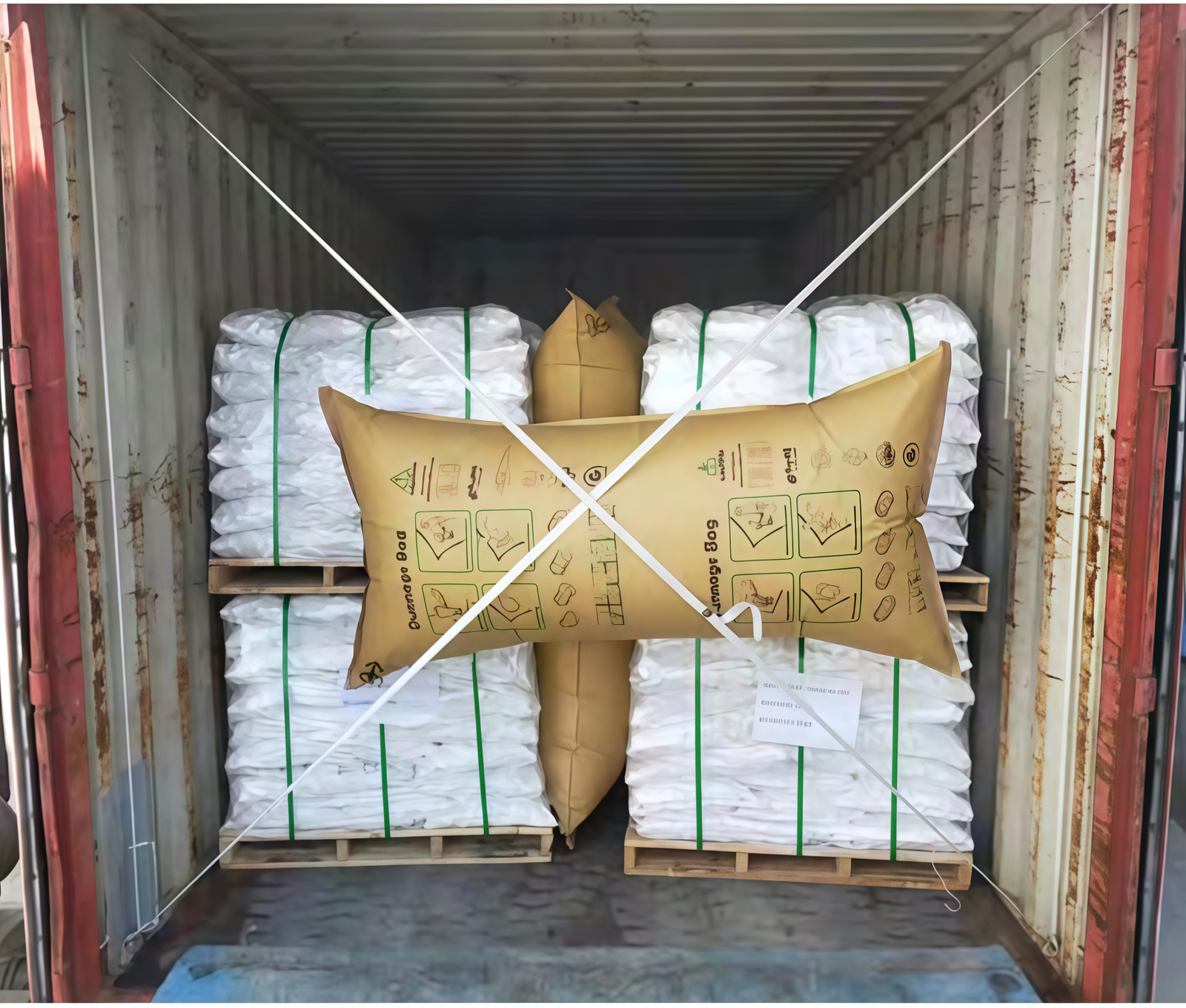
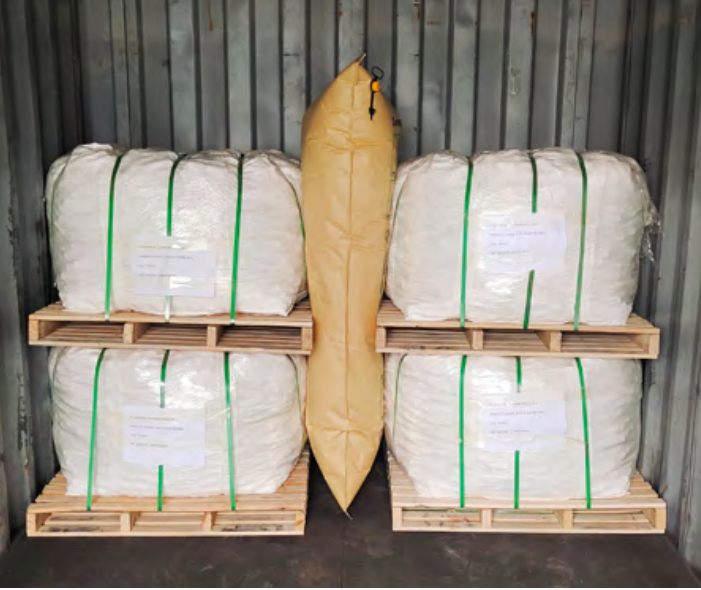
PACKINGS
(1) Placed with 25 kg neutral bag on wooden pallets.
(2) Packed in 1000 kg jumbo bag on wooden pallets.
(3) Other packaging is available upon request.